
Choosing the best China Round Glasses requires more than comparing catalog photos and factory prices. Global buyers must evaluate optical quality, frame geometry, material safety, production consistency, and export support. The opportunity is substantial. Grand View Research valued the global eyewear market at approximately USD 157.9 billion in 2023, with continued growth projected through 2030. The World Health Organization also reports that at least 2.2 billion people live with near or distance vision impairment. These figures show why dependable eyewear sourcing matters, not merely seasonal fashion.
China remains a major eyewear manufacturing base, offering acetate, stainless steel, titanium, recycled materials, and flexible private-label services. However, “best” depends on the buyer’s market. A boutique may need hand-polished acetate rims and low minimum order quantities. A large distributor may prioritize automated inspection, stable color matching, and monthly production capacity. Look for documented quality systems, such as ISO 9001, while checking whether test reports match the actual product batch. Ask for hinge-cycle testing, lens-groove accuracy, nickel-release information, and packaging details before placing a large order. Small details matter.
A low quotation can become an expensive mistake. Supplier websites can look impressive, but samples may reveal uneven nose bridges, loose temples, or cloudy finishing. Buyers should compare at least three samples under real handling conditions. This guide uses practical sourcing experience, industry research, and transparent evaluation criteria to identify stronger options. It cannot promise one universal winner. Regional fit standards, consumer preferences, and after-sales expectations differ. That is the uncomfortable part. A frame that sells quickly in Europe may feel unsuitable in Southeast Asia or North America. Careful verification remains essential.
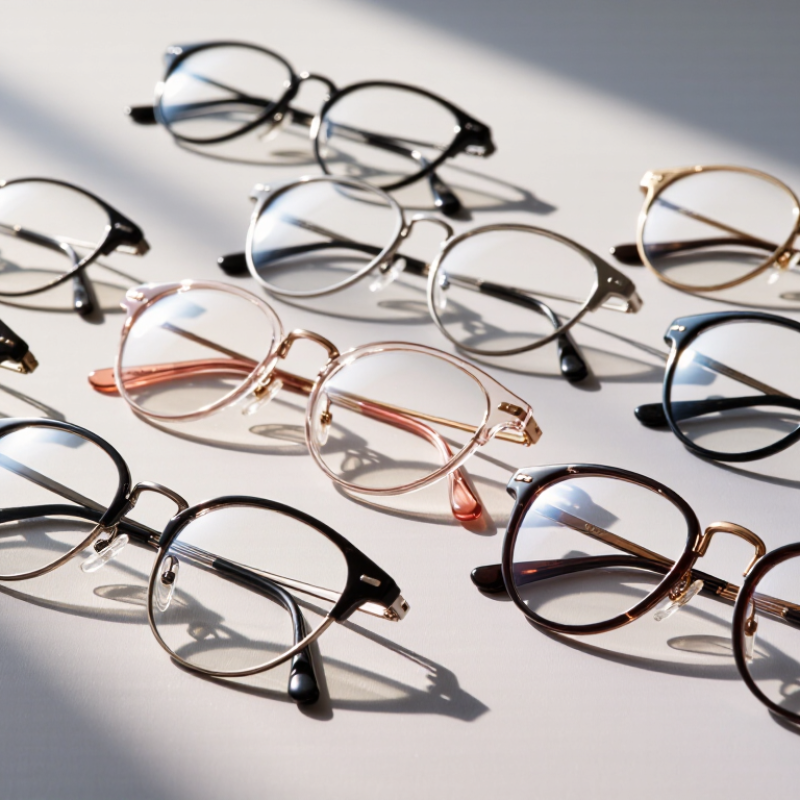
For global buyers, China-made round glasses mean more than a circular frame produced in China. They represent a supply chain covering design support, material selection, molding, polishing, assembly, and inspection. A reliable definition begins with traceable specifications, not attractive product photos. Buyers should confirm frame width, bridge size, temple length, lens compatibility, and production tolerances. Small details matter. A 1 mm bridge difference can change comfort during long wear.
From practical sourcing experience, material verification deserves early attention. Acetate frames should show consistent color, smooth edges, and secure hinge fitting. Metal frames need clean solder points, stable plating, and temples that open without resistance. Ask for samples before approving bulk production. Check symmetry on a flat surface. Inspect screw heads, nose pads, plain packaging, and lens grooves under clear light. These checks do not replace laboratory testing, but they reveal avoidable workmanship problems. A quality report is useful only when its measurements match the delivered sample.
For international distribution, packaging and documentation are part of product quality. Cartons should protect round rims from pressure, while size labels should remain readable after handling. Request material details, care instructions, carton dimensions, and production lead times in writing. Do not rely on vague terms such as “premium” or “export quality.” Define them with measurable requirements. One honest limitation remains: samples may not predict every batch perfectly. Seasonal workload, finishing changes, or rushed corrections can affect consistency. Random pre-shipment checks and retained samples provide stronger evidence than promises.

For global buyers, the best China round glasses begin with traceable materials, not attractive photographs. Acetate frames offer rich color, stable shaping, and comfortable contact with the skin. Stainless steel supports thin profiles and reasonable cost. Titanium is lighter and usually resists corrosion better, but its welding quality requires careful inspection. The World Health Organization’s World report on vision estimates that at least 2.2 billion people have near or distance vision impairment. That scale makes comfort and reliable fitting essential, not decorative extras.
Check frame construction against ISO 12870, which covers performance requirements for spectacle frames. Ask for test records covering bridge strength, temple endurance, dimensional stability, and corrosion resistance. Hinges should open smoothly without lateral looseness. Inspect barrel alignment under a bright lamp. For skin-contact parts, request nickel-release testing where relevant, especially for metal frames sold in regulated markets. EN 16128 provides a recognized reference method for nickel release from spectacle frames. Small details matter.
A polished sample can still hide weak soldering. I would test several production pieces, not one approved sample. Measure lens groove depth, rim symmetry, and temple recovery after repeated opening. The Global Eyewear Market report by Grand View Research identifies growing demand for eyewear, but market growth does not prove product quality. Supplier documentation may also be incomplete. That is worth admitting. Use independent laboratory checks, material certificates, and batch-level inspection before placing a large order. Repairability deserves attention too; replaceable nose pads and standard hinges can extend useful life.
Round glasses remain popular with global buyers because their soft shape balances angular facial features. In China’s eyewear market, buyers can find thin metal rims, acetate frames, and lightweight mixed-material designs. Each style creates a different impression. Metal frames look precise and understated. Acetate frames feel warmer and more substantial. Mixed materials can improve comfort, but construction quality varies.
Frame size deserves careful attention. Measure lens width, bridge width, and temple length in millimeters. A 48–52 mm lens width often suits smaller or medium faces, while larger faces may need 53 mm or more. The bridge should sit securely without leaving deep marks. Temples should follow the head without pressing behind the ears. Fit matters. Small details count.
Lens options should match the buyer’s daily environment. Clear prescription lenses support regular use, while photochromic lenses adjust to changing light. Blue-light filtering may help some screen users, though its benefits should not be overstated. Polarized lenses reduce glare outdoors, but they may affect visibility on certain digital displays. Buyers should request lens material, coating, prescription range, and optical test details before ordering. I once underestimated bridge fit during sampling, and the frames looked attractive but slipped during movement. That mistake is common. Sample testing remains essential.
| Frame Style | Typical Design Features | Recommended Face Shapes | Common Frame Size Range (Eye–Bridge–Temple, mm) |
Popular Frame Materials | Suitable Lens Shapes and Treatments | Typical Buyer Positioning |
|---|---|---|---|---|---|---|
| Classic Full-Rim Round | Symmetrical circular rims, moderate lens depth, and a traditional silhouette suitable for everyday optical use. | Oval, square, rectangular, and heart-shaped faces. | 44–48 / 18–21 / 135–145 | Cellulose acetate, stainless steel, TR90, or injection plastic. | Single-vision, progressive, blue-light filtering, photochromic, and prescription sun lenses. Full rims support standard plastic lenses well. | Versatile optical collections and unisex everyday eyewear. |
| Small Vintage Round | Compact circular lenses, narrow bridge width, and a retro profile with relatively low overall frame width. | Oval and heart-shaped faces; can create contrast on wider faces. | 40–44 / 18–20 / 135–140 | Metal alloys, stainless steel, titanium, or thin acetate. | CR-39 or polycarbonate for light prescription use; anti-reflective and scratch-resistant coatings are practical additions. | Fashion-focused ranges and smaller-fit collections. |
| Oversized Round | Large circular lenses, broader end pieces, and increased lens height for a noticeable fashion appearance. | Square, rectangular, and diamond-shaped faces. | 50–55 / 18–22 / 140–150 | Acetate, TR90, stainless steel, or lightweight mixed materials. | CR-39, polycarbonate, 1.60 high-index, polarized sun lenses, and gradient tints. High prescriptions may require thinner materials. | Statement fashion eyewear and sunwear collections. |
| Panto Round | Rounded lenses with a slightly flatter upper line and gently wider lower curve than a perfect circle. | Most face shapes, especially square and oval faces. | 46–51 / 18–21 / 135–145 | Acetate, stainless steel, titanium, or bio-based acetate alternatives. | Single-vision and progressive lenses; anti-reflective, UV-protective, photochromic, and blue-light filtering options. | Contemporary optical styles with broad international appeal. |
| Keyhole-Bridge Round | Round rims combined with a keyhole bridge that reduces pressure on the upper nose area and creates a heritage look. | Oval, square, and round faces; bridge fit should be checked carefully. | 45–50 / 19–22 / 135–145 | Acetate, stainless steel, or combination metal-and-acetate construction. | CR-39, polycarbonate, 1.60 high-index, and prescription sun lenses. Anti-reflective coating is useful for clear optical lenses. | Premium-looking lifestyle eyewear with a classic design language. |
| Rimless Round | Round lenses mounted with minimal visible frame material, creating a light and understated appearance. | Oval, heart-shaped, and narrow faces; less suitable for very active use without reinforced hardware. | 45–50 / 18–21 / 135–145 | Titanium, stainless steel, beta titanium, or lightweight alloy components. | Polycarbonate or Trivex-type impact-resistant lenses are preferable; anti-reflective and UV coatings are commonly requested. | Minimalist optical lines and lightweight comfort collections. |
| Semi-Rimless Round | Partial-rim construction using a nylon cord or similar retention system around part of the lens. | Oval and rectangular faces; offers a lighter visual effect than full-rim designs. | 46–51 / 18–21 / 135–145 | Titanium, stainless steel, beta titanium, or lightweight metal alloys. | Polycarbonate, Trivex-type, or impact-resistant high-index lenses; edge finishing must be accurately controlled. | Lightweight professional eyewear and practical optical programs. |
| Double-Bridge Round | Two bridge bars add visual structure and stability, often paired with a metal rim and adjustable nose pads. | Oval, heart-shaped, and rectangular faces. | 47–52 / 19–22 / 140–150 | Stainless steel, titanium, nickel-silver alloy, or metal-and-acetate combinations. | CR-39, polycarbonate, polarized sun lenses, and photochromic lenses. Nose-pad adjustment helps accommodate different bridge heights. | Retro-inspired optical and sunglass collections. |
| Round Sunglass Frame | Sunwear-oriented circular rims with larger lens coverage and space for tinted or polarized lenses. | Square, rectangular, and angular faces. | 48–55 / 18–23 / 140–150 | Acetate, TR90, stainless steel, nylon-based materials, or mixed construction. | Category 2 or Category 3 sunglass tints, polarized lenses, gradient lenses, mirror coatings, and UV400 protection. | Travel, lifestyle, and seasonal sunwear programs. |
| Size notation follows the standard sequence: lens width – bridge width – temple length. The ranges shown are practical manufacturing and retail specifications commonly used for round eyewear; exact fit depends on lens shape, end-piece design, nose-pad position, and temple construction. For global orders, buyers should also confirm optical-center placement, lens-base compatibility, coating availability, packaging requirements, and compliance with the destination market’s applicable eyewear standards. | ||||||
For global buyers, choosing China round glasses starts with supplier evidence, not catalog photos. In practical sourcing work, I request a company profile, production videos, export references, and recent inspection records. A reliable supplier explains frame materials, hinge construction, plating steps, and measurable tolerances. Details matter.
Customization should be tested through samples, not promised in a chat. Buyers can specify rim diameter, bridge width, temple length, color finish, logo placement, packaging, and lens options. The supplier should confirm drawings before tooling begins. I prefer a signed specification sheet showing acetate thickness, metal composition, color code, and acceptable defects. Custom work often changes the price. It can also change delivery schedules. Small errors become expensive across 2,000 pieces.
Quality control needs checkpoints: incoming material inspection, first-piece approval, in-line checks, and final random inspection. Check roundness, hinge movement, lens seating, surface scratches, color consistency, and packaging counts. A third-party inspection adds useful independence, especially for first orders. Still, inspection is not magic. I once saw a visually perfect sample fail after repeated hinge testing. That mistake changed my process: request durability evidence and keep retained samples. Suppliers also need clear criteria; vague rejection notes create conflict. Compare corrective-action speed, not only the lowest quote.
Choosing round glasses for a global market requires more than attractive photos. Frame shape, bridge width, lens size, and temple length must suit local customers. A 48 mm lens may feel comfortable in one region but too narrow in another. Always request samples before placing a larger order. Hold each frame, open the temples repeatedly, and inspect the hinges for uneven movement.
Material choice also affects market fit. Acetate can offer richer colors and a warmer hand feel, while stainless steel creates a lighter, cleaner appearance. Check surface finishing under strong light. Small scratches are easy to miss online. Ask suppliers for material details, measurement charts, production tolerances, and quality inspection records. Packaging should protect the frames during long-distance shipping without creating unnecessary waste. Destination-market labeling and product documentation also deserve careful review.