China Top Eye Glass Organizer Manufacturer Wholesale
Choosing a reliable China Top Eye Glass Organizer Manufacturer Wholesale partner requires more than comparing prices. Retailers need storage products that protect eyewear, present it clearly, and remain consistent across large orders. An experienced supplier understands these practical demands.
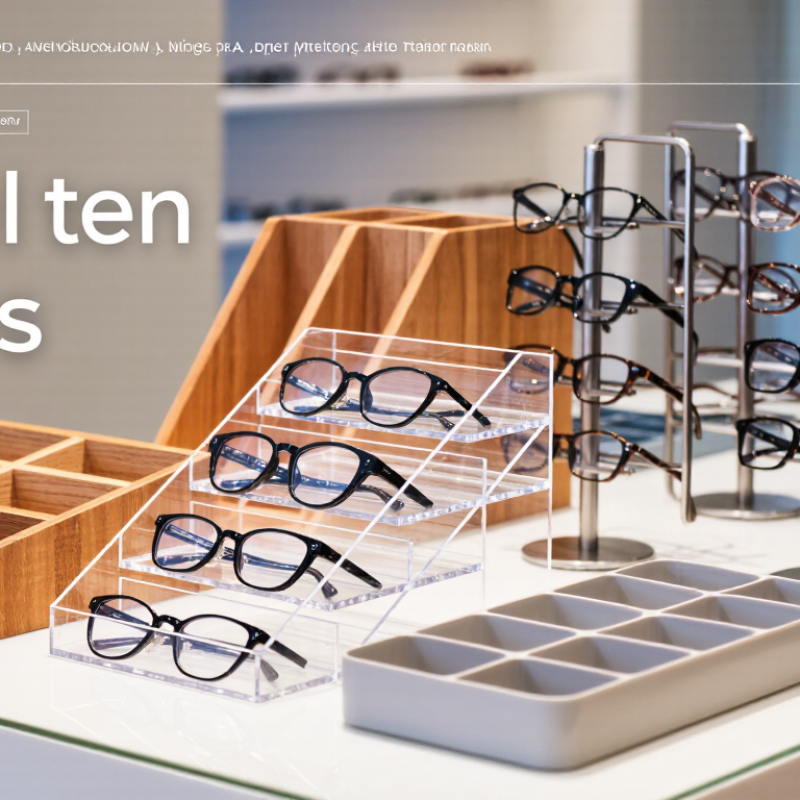
A well-designed Eye Glass Organizer may use acrylic, wood, metal, or durable plastic. Each material creates a different retail impression. Clear acrylic helps customers view frames quickly. Wood adds warmth to boutiques. Metal supports a modern display style. Details matter. Smooth edges, stable compartments, and dust-resistant surfaces can reduce damage during daily handling.
Wholesale buyers should review samples before approving production. Check dimensions, hinge strength, surface finish, color consistency, and packaging protection. Ask about customization, production capacity, quality inspections, and shipping documentation. Professional manufacturers should provide clear specifications and honest limitations. Not every factory suits every market. That point is easy to overlook.
Reliable communication also supports long-term cooperation. Product drawings, sample approvals, and inspection records help prevent misunderstandings. A supplier with export experience can explain practical packaging and delivery considerations without making unrealistic promises. Still, buyers should verify certifications and local requirements independently. No single document proves complete reliability.
Some organizers look attractive but waste valuable counter space. Others hold many glasses but make selection difficult. The right balance depends on store layout, customer habits, and product range. A strong design can improve presentation, yet it may need revision after real retail testing. Careful evaluation creates better wholesale decisions and more dependable customer experiences.
What Is an Eyeglass Organizer and How Does It Work?
An eyeglass organizer is a storage unit designed to keep spectacles visible, protected, and easy to reach. It may contain individual slots, soft-lined trays, drawers, or rotating sections. Each compartment separates frames and reduces contact between lenses, hinges, and temples. This simple structure helps prevent scratches, bending, and misplaced glasses.
The organizer works through controlled placement. A user slides each pair into a dedicated space, while a stable base keeps the unit from tipping. Soft dividers hold frames gently without pressing on delicate hinges.
For wholesale buyers, useful details include smooth edges, accurate slot spacing, strong hinges, and materials that are easy to clean. Quality checks should include repeated opening tests and inspection under bright light. Small defects matter.
Size affects daily use. A compact desktop model suits two or three frequently worn pairs. A larger drawer organizer may serve optical counters, households, or shared offices. In practical use, labeling each slot can save time, especially when frame colors look similar.
However, not every organizer protects every frame equally. Oversized sunglasses may need wider compartments, and loose dividers can still cause movement during transport. A first design may look attractive but handle poorly. Testing with real frames often reveals what measurements alone miss.
How Eyeglass Organizers Are Manufactured in China
China’s eyeglass organizer manufacturing begins with practical design planning. Suppliers study frame sizes, lens shapes, storage capacity, and daily handling habits. Common materials include ABS, acrylic, metal, bamboo, and coated wood. Each choice affects weight, durability, appearance, and cost.
Production usually starts with drawings or 3D samples. Engineers check wall thickness, hinge movement, drawer clearance, and edge safety. Molds are then prepared for molded plastic parts. Other components may be cut, drilled, polished, painted, or assembled by hand. Workers inspect surfaces under bright lights. They also test drawer pulls and rotating sections repeatedly. Small defects still occur. A color may look different under warehouse lighting. A fitting can feel slightly tight after assembly. Experienced factories record these problems and adjust tooling or assembly methods.
Tips: Request a physical sample before bulk production. Check dimensions with real eyeglasses. Ask for material specifications, packaging details, and inspection records. Clear tolerance requirements can prevent costly misunderstandings. During quality checks, examine corners, joints, paint adhesion, and internal padding. Product photos are useful, but they cannot replace hands-on testing. A reliable Chinese manufacturer should explain its process clearly and provide traceable production information. Good communication matters, especially when custom compartments or private-label packaging are required.
Materials Commonly Used in Eyeglass Organizer Manufacturing
Material density influences the final weight, durability, and shipping cost of an eyeglass organizer. Polypropylene and bamboo are lightweight options, while acrylic and stainless steel provide greater rigidity and a more substantial feel. In China, organizers are commonly produced through material preparation, molding or cutting, surface finishing, assembly, and quality inspection.
Density values are approximate reference values in g/cm³ and can vary by grade, formulation, and manufacturing process.
How to Choose a Reliable Chinese Eyeglass Organizer Manufacturer
How to Choose a Reliable Chinese Eyeglass Organizer Manufacturer
Choosing a reliable Chinese eyeglass organizer manufacturer requires more than comparing wholesale prices. Review the factory’s production experience, material knowledge, and quality control process. Ask whether they produce organizers for metal frames, plastic frames, sunglasses, or mixed collections. A capable supplier should explain details clearly, including tray thickness, hinge strength, surface finishing, and protective packaging.
Request physical samples before placing a large order. Check whether each compartment holds glasses securely without scratching lenses. Test the lid, hinges, stitching, and drawer movement several times. Ask for product specifications, inspection records, and clear photographs from production. Communication also matters. Reliable manufacturers answer questions directly and report delays early. No supplier is perfect. However, vague replies and constantly changing information deserve attention.
Tips: Compare at least three factories. Confirm minimum order quantity, sample fees, production time, and shipping terms in writing. Visit the facility through a verified inspection service when possible. Discuss custom sizes carefully, because a small measurement error can make an organizer look neat but function poorly. Choose consistent quality over the lowest quotation, especially for wholesale orders. A cheaper unit may require stronger packaging and create more returns. Ask for a pre-shipment inspection before final payment.