Inquiry
Form loading...

How to Choose Polarized Eyeglasses in 2026?

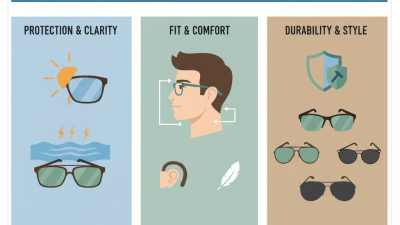
Choosing Polarized Eyeglasses in 2026 requires more than selecting the darkest lenses on a display. Glare can bounce from wet roads, snow, glass buildings, and calm water. Polarization reduces this harsh reflected light, helping many wearers see with greater comfort and definition. However, polarization does not automatically guarantee strong ultraviolet protection. Look for clear UV400 labeling and buy from a reputable optical provider.

Dr. Gary Heiting, an optometrist and longtime eyewear educator, offers an important reminder: “Polarized lenses do not block more ultraviolet light than ordinary lenses.” His point deserves attention. A pair can reduce glare while still providing poor UV protection if its labeling is unclear. Reliable choices should match your daily environment, prescription needs, face shape, and intended activity. Drivers may prefer neutral gray lenses, while anglers often choose copper or amber tones for stronger contrast. Digital displays can also appear darker through some polarized lenses.

Fit matters more than many shoppers expect. Frames should sit close enough to limit side glare without touching your cheeks or eyelashes. Hinges should open smoothly. The bridge should remain stable when you look down.

A darker lens is not always better. I once treated darkness as a sign of quality; that assumption was weak. Lens clarity, optical accuracy, coating durability, and verified UV performance deserve equal attention. This guide will examine those details, compare practical lens options, and explain how to choose Polarized Eyeglasses with confidence, even when marketing claims sound impressive.
How to Choose Polarized Eyeglasses in 2026?

Define Polarized Eyeglasses and Their Core Benefits

How to Choose Polarized Eyeglasses in 2026?

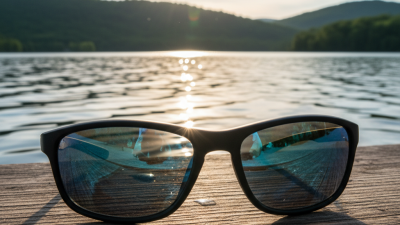
Polarized eyeglasses use a special filter to control horizontally reflected light. This light often comes from roads, water, snow, and glass surfaces. The filter reduces harsh glare before it reaches your eyes. Ordinary tinted lenses mainly make light darker. They do not necessarily reduce glare. The difference can feel clear beside a bright lake or while driving after rain. Reflections look softer. Details may become easier to see.

From practical eyewear assessments, polarized lenses can improve visual comfort outdoors. They may reduce squinting and help your eyes feel less tired during long daytime activities. However, polarization does not automatically mean full ultraviolet protection. Check the lens label for 100% UVA and UVB protection. A reliable choice should also offer clear optics, a stable frame, and a comfortable fit. Small gaps around the frame can still allow strong light to enter.

I once paid too much attention to glare reduction and ignored screen visibility. Some polarized lenses make liquid-crystal displays appear dim or uneven. That can matter when reading a dashboard, phone, or camera screen. Lens color also changes contrast, but darker does not always mean better. Gray often preserves natural color, while brown may increase contrast in some conditions. Personal comfort remains important. Try the glasses outdoors, if possible. The best pair reduces glare without making ordinary details look strangely dull.
Match Lens Polarization to Your Light and Activity Needs

How to Choose Polarized Eyeglasses in 2026?

Polarized lenses should match your light, not simply look darker. They reduce reflected glare from roads, water, and bright pavement. This can make fishing, cycling, driving, and beach walking more comfortable. The Vision Council’s 2024 Consumer Insights report indicates that about four in five U.S. adults own sunglasses. That popularity makes fit and lens purpose important. I used to overvalue darkness. It was a mistake. A very dark lens can feel unpleasant in changing light.

Choose medium or dark polarization for open water, snowfields, and long road journeys. Snow can reflect up to 80% of ultraviolet radiation, according to environmental health guidance from the U.S. Environmental Protection Agency. Polarization does not replace UV protection. Check for 100% UVA and UVB protection, then test the frame for stable coverage. For cloudy trails, urban walking, or frequent indoor-outdoor movement, a lighter lens may preserve useful detail. At night, avoid tinted or polarized eyewear. Some vehicle and phone displays may also appear dim or distorted through polarized lenses.

Tips: Hold the glasses toward a reflective window. Rotate them slowly. Glare should fade noticeably. Check a dashboard display before buying. Wraparound frames help near water, but heavy frames can slip with sweat. An eye-care professional can assess prescription needs, especially if one eye tires faster. These choices are easy to oversimplify. Your brightest setting may not be your most demanding one.

Compare Lens Materials, Colors, and Visual Features

Choosing polarized eyeglasses in 2026 starts with comparing lens materials, colors, and useful visual features. Polycarbonate lenses are light and impact-resistant, making them practical for cycling, driving, and active travel. CR-39 lenses often provide clear optics at a lower weight. High-index lenses can reduce thickness for stronger prescriptions, but they may need careful handling. Glass offers excellent clarity, yet it feels heavier and can break more easily. In my experience, comfort often matters more than a small difference in sharpness.

Lens color changes how the world appears. Gray lenses preserve natural colors and work well in strong sunlight. Brown or amber lenses can increase contrast on roads and trails, especially under mixed cloud. Green lenses offer balanced brightness and color. Yellow lenses may help in dim conditions, but they are unsuitable for intense midday glare. Polarization reduces reflected light from water, glass, and pavement. However, it can make some phone or dashboard screens look dark. That surprised me once.

Tips: Check for full-spectrum UV protection, not polarization alone. Hold the glasses over a white page and inspect for color distortion. Look for even tinting, smooth hinges, and a stable bridge fit. A scratch-resistant coating helps, but no coating is permanent. If your prescription is complex, ask an eye-care professional to verify lens thickness, optical alignment, and screen compatibility. My own choice would change by activity, weather, and how long I wear them.

Check UV Protection, Fit, Prescription, and Frame Quality

How to Choose Polarized Eyeglasses in 2026?

Polarized lenses reduce reflected glare from roads, water, and glass. They do not automatically provide complete UV protection. Check the label for 100% UVA and UVB protection or UV400 coverage. When details look vague, ask an optician for verification. A reputable optical professional can also test the lenses with proper equipment. Dark lenses alone are not proof of safety.

Fit matters during long, bright days. The frame should sit level without pressing your temples or sliding down your nose. Your eyelashes should not touch the lenses. Look in a mirror and smile; the frame should remain stable.

I once chose a stylish pair that pinched behind my ears after twenty minutes. That small mistake made driving uncomfortable.

Prescription needs careful attention. Bring your current prescription, especially if your vision has changed recently. Ask whether the polarized lens suits your prescription strength and daily activities.

Frame quality deserves equal care. Inspect the hinges, nose pads, lens edges, and frame joints. Flexible materials can improve comfort, but excessive looseness may signal weak construction.

Hold the glasses under a lamp. Uneven lens distortion is a warning sign. A perfect fit is not guaranteed from a quick try-on, so walk around before deciding.

Evaluate 2026 Styles, Features, Price, and Long-Term Care

Choosing polarized eyeglasses in 2026 starts with the light you actually face. Current styles favor thin metal rims, translucent acetate, and wraparound shapes. Style matters, but fit matters more. Check the fit. A frame should sit level, avoid pressure behind your ears, and keep lashes away from the lenses. Polarization reduces reflected glare from roads, water, and glass. It does not automatically guarantee UV protection. Check for clear UV400 or equivalent labeling, then ask an optician to verify it. Some dark lenses feel comfortable while providing poor protection. That mistake is easy to miss.

Features should match your routine. Drivers may value neutral gray lenses and anti-reflective treatment on the back surface. Hikers may prefer impact-resistant lenses, secure hinges, and a wide field of view. Photochromic lenses can be convenient, though many change less inside vehicles. Prices commonly range from about $30 for basic non-prescription pairs to $250 or more for customized prescription eyewear. Higher cost can mean better materials and service, not automatically sharper vision. Compare lens measurements, coating coverage, adjustment support, and warranty terms. Keep it practical. I would not pay extra for features I cannot explain.

Long-term care begins with small habits. Rinse dust away before wiping, especially after a sandy beach walk. Use lukewarm water and a clean microfiber cloth. Avoid paper towels, shirt fabric, and household glass cleaner. Store glasses in a rigid case, with lenses facing upward. Have loose arms or crooked alignment adjusted professionally instead of bending them at home. Coatings eventually wear, even with careful handling. My own weak point is leaving glasses on a car dashboard; heat can distort frames. A better routine is still waiting to become automatic.