7 Tips to Choose the Best Silicone Eyeglass Case?
Choosing a Silicone Eyeglass Case is not a small style decision. It affects lens protection, daily comfort, and product life. The World Health Organization’s World Report on Vision reports that at least 2.2 billion people experience vision impairment globally. Many depend on corrective eyewear every day. A crushed frame or scratched lens creates an avoidable inconvenience.
Market research also shows why this accessory deserves closer attention. Grand View Research identifies eyewear as a growing global consumer market, shaped by fashion, convenience, and personal care. However, market growth does not guarantee better case quality. Some cases look soft and attractive, yet collapse inside a crowded handbag. Others smell strongly, collect dust, or leave frames moving loosely inside. Real use can be messier than product photos.
Optometrist Dr. Gary Heiting advises, “Store your glasses in a case when you’re not wearing them.” That practical rule supports a simple buying principle: protection comes before decoration. A reliable Silicone Eyeglass Case should resist pressure, close securely, fit the frame without forcing it, and feel comfortable during daily carrying. ISO 12870 addresses spectacle-frame requirements, but it does not certify every protective case. Buyers must still inspect materials, seams, dimensions, and closure design.
The following seven tips examine those details closely. They cover silicone quality, interior space, cleaning, durability, portability, and environmental claims. Some choices remain subjective. A thinner case may save space, but protection could suffer. That trade-off is easy to miss.
Understand the Key Benefits of Silicone Eyeglass Cases
7 Tips to Choose the Best Silicone Eyeglass Case?
Understand the Key Benefits of Silicone Eyeglass Cases
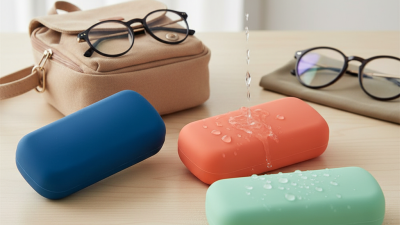
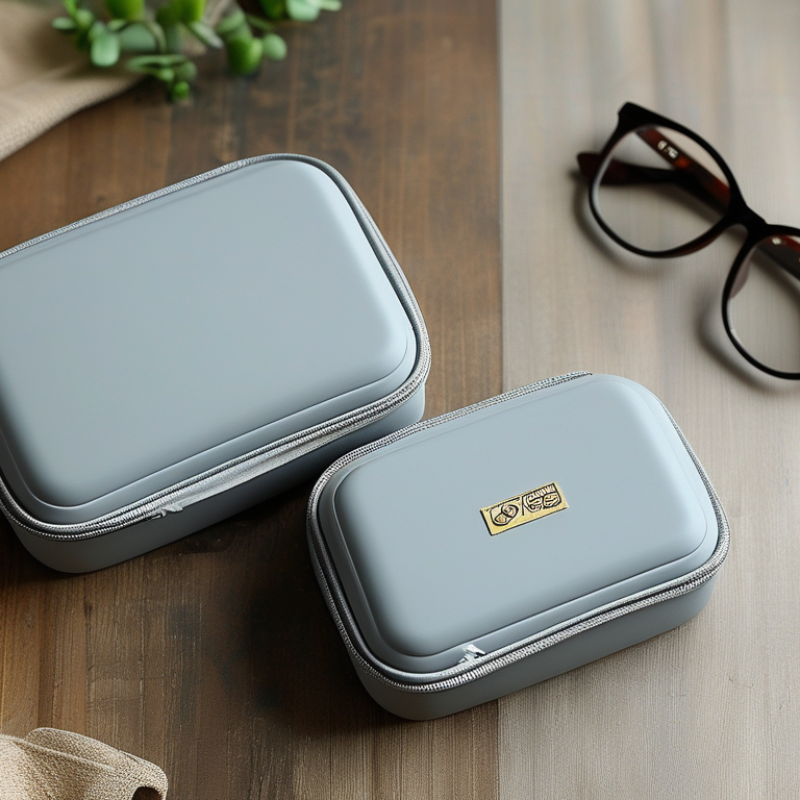
Silicone cases are flexible, lightweight, and comfortable for daily carrying. Their soft walls can absorb minor drops and pressure inside a handbag. Tip 1: Check the case size against your frames, including thick temples. Tip 2: Look for a secure closure that opens smoothly but stays shut. Tip 3: Choose a textured surface for better grip, especially with wet hands.
Tip 4: Examine the silicone quality. Reliable material should feel smooth, without a strong chemical smell or sticky residue. Tip 5: Consider cleaning needs. A washable case is useful after contact with makeup, dust, or food particles. Silicone resists moisture, but it is not completely stain-proof. Dark fabrics may still leave marks. I once chose a case that was too soft, and it slowly lost its shape.
Tip 6: Check heat resistance and storage advice. Leaving silicone near a sunny car window may cause warping. Tip 7: Confirm that the inner space protects lenses without rubbing them against hard seams. A silicone case can cushion glasses, but it cannot replace careful handling. Review user feedback about hinge strength, odors, and long-term flexibility. Small details matter.
7 Tips to Choose the Best Silicone Eyeglass Case
Understand the key benefits of silicone eyeglass cases through a practical 1–5 evaluation scale.
Silicone cases are valued for their flexibility, shock absorption, water resistance, and easy maintenance.
When choosing a case, also check the interior size, closure security, surface grip, cleaning convenience,
temperature stability, and protection against scratches. The scores represent practical material-based evaluations
and are not associated with any specific company or brand.
Check Case Size and Compatibility with Your Glasses
7 Tips to Choose the Best Silicone Eyeglass Case
Check Case Size and Compatibility with Your Glasses
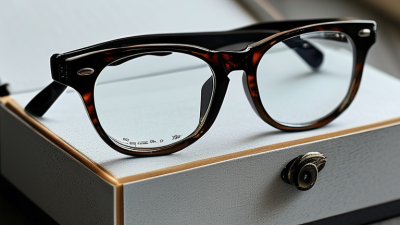
The World Health Organization’s World Report on Vision estimates that at least 2.2 billion people have vision impairment worldwide. Many depend on glasses daily, so case fit deserves practical attention. A silicone case should protect the lenses without squeezing the frame. Measure your glasses when folded, including the widest temple area. Then compare those measurements with the case’s internal length, width, and depth.
Tip 1: Measure the folded glasses.
Lens width alone can mislead. Thick frames, curved temples, spring hinges, or attached nose pads need extra room. Leave roughly 5–10 millimeters of clearance around the frame. This helps prevent pressure marks and makes removal easier. A case that feels “almost right” may still strain the hinges. I once chose a flexible case by exterior size, and the interior was noticeably smaller.
Tip 2: Test the opening and interior shape.
Look for a smooth lining or clean silicone surface. Dust can act like fine sandpaper against lenses over time. The Vision Council’s consumer research consistently identifies comfort, protection, and convenience as important eyewear-use considerations. Those needs are easy to overlook when shopping by appearance. Try placing the glasses inside with one hand, especially if you use them frequently. The case should close without bending the temples or touching the lens surfaces. WHO data reminds us how essential eyewear can be, but case dimensions remain highly personal.
Compare Cleaning, Durability, and Everyday Usability
7 Tips to Choose the Best Silicone Eyeglass Case
Cleaning should be easy enough for a busy day. Look for a smooth silicone interior with few deep grooves. These surfaces usually hold less dust and skin oil. Wash the case with mild soap and lukewarm water. Rinse it carefully, then let it dry completely. A damp case can create an unpleasant smell. Do not use harsh solvents or rough brushes. They may weaken the surface over time.
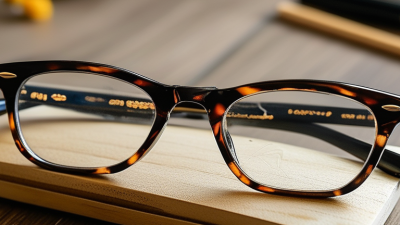
Durability depends on more than thickness. Press the corners gently and inspect the seams, hinge area, and closure. Flexible silicone should bend without feeling brittle or sticky. A secure closure helps protect glasses inside a backpack or desk drawer. Still, no soft case can resist every impact. I once chose a very thick case, but it took too much space in my bag. That choice looked practical and was not.
Everyday usability is often the real test. The case should open with one hand and fit your frames without forcing them. Check whether the interior leaves enough room for folded temples. A tight fit may press against lenses. A loose fit may let glasses slide and scratch. Clean the case weekly if you use it daily. Remove sand before placing glasses inside. Small particles can cause visible marks. Also consider weight, grip, and drying time after cleaning. These details seem minor. They shape daily comfort.
Choose the Best Case for Your Budget and Lifestyle
7 Tips to Choose the Best Silicone Eyeglass Case
Choose the Best Case for Your Budget and Lifestyle
Tip 1: Match the case to your routine. The Vision Council’s 2023 Consumer inSights Report found that 76% of U.S. adults use vision correction. Many carry glasses daily, so frequent handling matters.
Tip 2: Check the silicone grade. Look for a soft, odor-free material with a smooth inner surface. Rough seams can scratch lenses or catch frame edges.
Tip 3: Test the closure with one hand. A secure snap or zipper helps during commutes, school runs, and crowded travel. Convenience is not a luxury.
Tip 4: Compare protection with price. A low-cost case may work for a handbag, but it may fail inside a packed backpack.
Tip 5: Measure your frames before buying. Oversized sunglasses need more depth and a wider opening.
Tip 6: Consider cleaning. Silicone usually wipes clean, but dust can collect around textured surfaces. The World Health Organization reports that at least 2.2 billion people have near or distance vision impairment, making dependable storage a practical daily concern.
Tip 7: Review durability claims carefully. There is no universal test for every silicone eyeglass case, so vague “unbreakable” language deserves doubt.
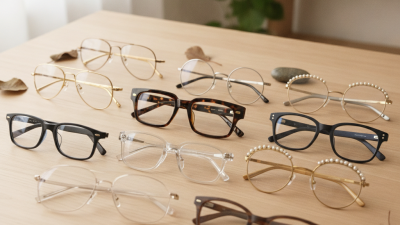
I once chose the softest case available. It felt pleasant, but the thin walls offered little structure. That judgment was too simple. A better choice balances softness, shape retention, closure strength, and replacement cost. For occasional use, a basic case may be enough. For active lifestyles, spend more on reinforced edges and a stable interior. Check the hinge, too. Small failures become expensive quickly.