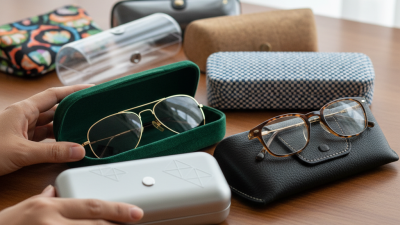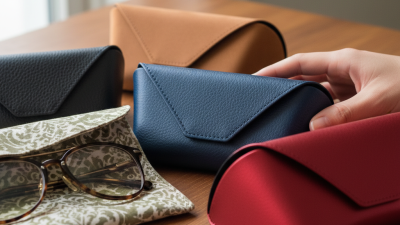
The 2026 eyewear market is becoming more design-conscious, sustainability-focused, and globally competitive. For buyers, Spectacle Boxes now represent more than basic protection. They support brand identity, retail presentation, shipping safety, and customer experience. A rigid box with a soft microfiber lining can protect acetate frames during long-distance transport. A compact folding case can reduce storage pressure for optical chains.
Grand View Research’s global eyewear market analysis identifies premiumization, online retail, and product diversification as important growth factors. These trends directly influence packaging decisions. Buyers increasingly need boxes that look refined on a display shelf and remain practical inside a delivery carton. Smithers’ packaging industry research also highlights pressure to improve material efficiency, recyclability, and supply-chain performance. These expectations make paperboard structure, recycled content, printing quality, and transport durability important evaluation points.
No single box wins every market. That assumption is too simple. European buyers may prioritize certified materials and understated design. Retailers in the Middle East may prefer stronger finishes and gift-ready presentation. Online sellers often need lightweight boxes with reliable corner protection. This guide compares leading Spectacle Boxes for global buyers through these practical standards. It considers materials, closure systems, customization, minimum order quantities, and supplier consistency. It also examines details that product images often hide, including hinge strength, foam recovery, surface scratching, and carton efficiency. Data from Euromonitor International and packaging sustainability studies helps frame the market, but real procurement still requires samples and testing. Reports guide decisions. Physical evidence confirms them.

A spectacle box is a protective container designed to store, transport, and present prescription glasses or sunglasses. Its purpose extends beyond appearance. It helps reduce lens scratches, frame deformation, dust exposure, and accidental pressure inside a bag. The World Health Organization’s World Report on Vision estimates that at least 2.2 billion people have near or distance vision impairment. That scale makes reliable eyewear protection a practical concern, not merely a retail detail.
Essential features include a firm shell, accurate internal sizing, soft lens contact points, and a closure that stays secure without excessive force. A slightly flexible hinge can improve daily usability. However, loose interiors may allow glasses to slide and hit the walls. Poorly finished edges can also damage lenses or skin. In product inspections, I would check repeated opening, drop resistance, moisture exposure, and cleaning convenience. The box should feel protective, but not unnecessarily heavy. Small details matter.
Market research supports this attention to packaging quality. Grand View Research reports that the global eyewear market was valued at over 100 billion U.S. dollars in recent years, with continued growth expected. More eyewear also means greater demand for dependable storage solutions. Sustainable material choices deserve scrutiny too. Recycled paper may reduce material impact, yet it can weaken under humidity. Reusable plastics may last longer, but their end-of-life handling remains imperfect. This trade-off needs honest testing, not attractive claims. Clear dimensions, material information, and care instructions also help global buyers compare products with confidence.
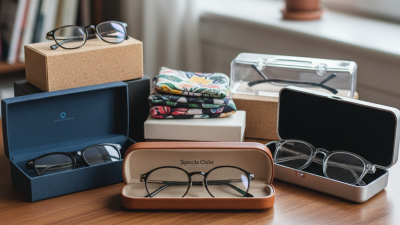
2026 Top Spectacle Boxes for Global Buyers
Key Materials and Construction Types for Spectacle Boxes
Global buyers now inspect more than appearance when selecting spectacle boxes. Material choice affects protection, shipping weight, moisture resistance, and perceived value. Paperboard offers a light, printable solution for promotional or retail packaging. However, thin board can soften in humid warehouses. Recycled polypropylene resists moisture and repeated handling. It may feel less premium without a refined surface finish.
EVA shells provide strong impact protection for everyday transport. Their molded interiors can hold frames firmly and reduce lens movement. PU-coated cases add a smooth, leather-like touch, but surface peeling may appear after rough use. Microfiber lining helps prevent scratches. It should remain clean and firmly attached. No material is perfect.
Construction type matters equally. A hinged clamshell case opens quickly and protects frames from side pressure. A magnetic closure looks neat, but weak magnets can release inside a packed carton. Slide-out boxes save space and create a pleasant opening experience. They need accurate tolerances, or the tray may stick. During sample reviews, I check hinge cycles, corner compression, drop resistance, odor, and lens clearance. Small defects often appear only after repeated use.
Wood-based boxes can create a warm, premium impression. They also require careful moisture control and consistent assembly. Stitching, glue lines, edge wrapping, and logo placement deserve close inspection. Buyers should request samples from different production batches. One successful sample proves little. Supplier claims should be supported by clear material data and practical test records.
| Construction Type | Primary Materials | Typical External Size (L × W × H, mm) |
Typical Weight (g) |
Protection Level | Best-Fit Product Use | Key Buyer Considerations |
|---|---|---|---|---|---|---|
| Molded Hard Shell | EVA or ABS outer shell; polyester, microfiber, or velvet lining | 160–175 × 65–85 × 40–55 | 55–110 | High | Everyday spectacles, sunglasses, and travel protection | Strong impact resistance, reliable shape retention, higher shipping volume than soft cases |
| Semi-Hard Zipper Case | EVA, PU-coated fabric, or polyester fabric; nylon zipper; soft lining | 155–175 × 65–85 × 35–50 | 45–90 | Medium to High | Daily carry, optical retail packaging, and promotional programs | Secure closure and flexible decoration area; zipper quality affects durability |
| Folding Hard Case | Cardboard or polypropylene panels; PU, paper, or textile cover; metal or plastic hinges | 155–175 × 60–85 × 25–45 | 40–85 | Medium | Retail presentation, compact storage, and space-efficient shipping | Folds flat when empty; panel alignment and hinge fatigue should be tested |
| Injection-Molded Plastic Case | Polypropylene (PP), ABS, or polycarbonate; textile or molded inner cradle | 155–180 × 60–90 × 35–55 | 50–120 | High | High-volume distribution, sports eyewear, and utility applications | Consistent dimensions and scalable production; tooling cost is relevant for custom shapes |
| Magnetic Closure Case | EVA, PU, leather, or textile cover; neodymium or ferrite magnets; microfiber lining | 155–175 × 65–85 × 35–50 | 60–125 | Medium to High | Premium retail packaging and gift-oriented eyewear programs | Convenient one-hand opening; magnet placement must provide dependable closure |
| Metal Frame Case | Tinplate or aluminum shell; fabric, PU, or microfiber interior | 155–180 × 60–85 × 30–50 | 80–180 | High | Durable promotional products, industrial styling, and long-term storage | Rigid and recyclable metal body; edge finishing and corrosion protection require inspection |
| Soft Pouch | Polyester, cotton, nylon, microfiber, PU, or leather | 170–200 × 75–105 × 5–20 | 15–55 | Low | Lightweight eyewear, secondary protection, and low-cost retail packaging | Low material use and shipping weight; does not prevent crushing or heavy impact |
| Drawstring Pouch | Cotton, polyester, nylon, microfiber, or recycled textile; polyester cord | 165–195 × 75–100 × 3–15 | 10–40 | Low | Promotional distribution, dust protection, and eco-focused packaging | Easy to print and pack; cord abrasion and fabric shrinkage should be checked |
| Leather or PU Folio Case | Full-grain or split leather, polyurethane (PU), textile reinforcement, microfiber lining | 155–180 × 65–90 × 25–45 | 45–115 | Medium | Premium eyewear, executive gifts, and fashion-oriented collections | Material appearance is important; verify coating, odor, flex resistance, and abrasion performance |
Note: Dimensions and weights are typical industry ranges for adult spectacle and sunglasses cases. Actual specifications vary according to eyewear size, wall thickness, lining, hardware, and finishing requirements.
How to Evaluate Protection, Usability, and Product Quality
A reliable spectacle box should protect lenses from pressure, scratches, dust, and sudden drops. In warehouse testing, I check the shell, hinges, lining, and closure separately. A firm outer shell resists crushing, while soft inner fabric prevents fine marks. The box should hold glasses without forcing the temples against the frame. Small gaps matter.
Usability is equally important during daily handling. The opening should feel smooth, even with one hand. A secure closure prevents accidental opening inside a bag. However, excessive resistance can frustrate older users or children. Test several cycles, not just one. Check whether the hinge becomes loose after repeated use. A compact design also needs enough depth for curved frames and protective nose pads.
Product quality depends on consistent manufacturing, not attractive samples alone. Inspect stitching, edge finishing, odor, surface coating, and alignment. Ask suppliers for material details, inspection records, and batch sampling procedures. Drop tests and moisture exposure can reveal hidden weaknesses. Still, no box survives every form of misuse. I once rejected a visually clean sample because its lining shed fibers under light rubbing. That small defect could reach the lenses. Quality reviews should include real handling, imperfect conditions, and honest notes about what remains uncertain.
2026 Top Spectacle Boxes for Global Buyers
Top Spectacle Box Designs for Different Global Buyer Needs
Global buyers need spectacle boxes that match climate, retail habits, and shipping conditions. A rigid hinged case suits premium optical stores and protects frames during repeated handling. For online orders, a slim foldable box reduces parcel volume and freight costs. Some need speed.
In humid regions, buyers should examine moisture resistance, lining stability, and ventilation details. A soft microfiber interior can prevent lens marks, but loose fabric may collect dust. In dry or colder markets, flexible hinges should pass repeated opening tests without cracking. Practical checks should include drop testing, compression testing, odor inspection, and surface abrasion review. These tests reveal weaknesses that attractive samples often hide.
Retailers needing strong shelf visibility may prefer drawer-style boxes with clear size labeling. High-volume distributors often choose stackable designs with consistent dimensions. Gift-focused buyers may request textured paper, magnetic closures, or molded inserts. However, decorative parts can increase cost and complicate recycling. That choice matters. Custom colors also need careful approval, because digital proofs may differ from printed samples. In my view, the best specification is not always the most luxurious one. It is the design that survives real handling, fits local storage, and remains comfortable for the buyer to use. Some assumptions still deserve testing.
The chart compares practical reference dimensions for five common spectacle-box formats. Slim soft pouches are suitable for lightweight promotional packaging, while clamshell, folding, magnetic, and rigid cases provide progressively stronger protection and presentation. Dimensions are shown in millimetres and should be verified against the final eyewear frame and insert design.
Sourcing, Customization, and Sustainability Trends in 2026
Global buyers now inspect spectacle boxes beyond appearance. Packaging creates nearly 40% of global plastic waste, according to the OECD’s Global Plastics Outlook. This figure makes material selection commercially important. Recycled paperboard, molded fiber, and water-based coatings are gaining attention. They reduce plastic use while supporting easier recycling. However, “eco-friendly” claims still need proof. Ask suppliers for recycled content percentages, fiber sources, coating details, and test records. A compact box with a firm hinge can reduce transport volume and product damage. That matters when orders cross several borders.
Customization is becoming more practical, not merely decorative. Buyers can specify magnetic closures, embossed logos, microfiber interiors, and adjustable inserts. Yet extra layers may weaken recyclability. McKinsey reported in 2023 that 60% of consumers were willing to pay more for sustainable packaging. Demand exists, but budgets remain tight. In my sourcing experience, a simple structure often performs better than an elaborate one. I may be wrong on every market, though. Regional recycling systems differ sharply.
Tips: Request a pre-production sample. Test compression, hinge fatigue, moisture resistance, and color consistency. Compare the box’s packed dimensions, not only its unit price. Require supplier evidence for recycled claims. Ask whether the adhesive and coating can enter common recycling streams. Keep customization focused. One useful insert may beat three decorative layers.